Tree Ornament Wall Panel Guide
There is a distinct satisfaction in transforming raw materials into something that breathes life into a room. The Tree Ornament, Decorative Wall Panel represents more than just a cutout shape; it is a study in layering, depth, and symbolic resonance. For designers, makers, and small business owners, understanding the nuances of this multilayer layout is essential for creating a finished product that feels premium rather than procedural. This piece exudes natural beauty and artistic sophistication, serving as a focal point that bridges the gap between traditional craftsmanship and modern digital fabrication.
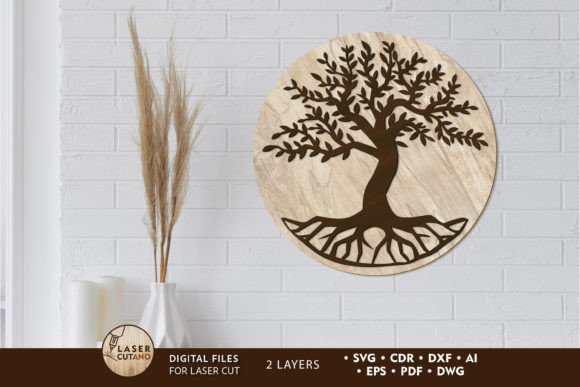
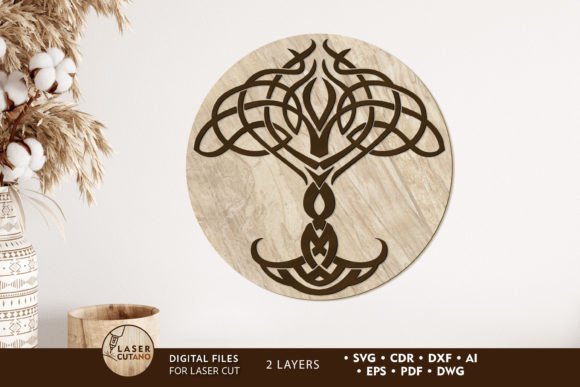
When we discuss the Tree Ornament, Decorative Wall Panel, we are talking about a design that relies heavily on the interplay of shadow and form. Unlike flat decals or single-layer prints, this wall art utilizes a two-layer construction to create physical depth. The visual characteristics are defined by intricate branching patterns that mimic organic growth, requiring precision cutting to maintain the integrity of thin, delicate elements. The personality of this piece is calm yet commanding, offering a sense of grounding in any living space. It appeals to those who value symbolism—specifically the "Tree of Life" motif—while appreciating the clean lines achievable through laser cutting or CNC routing.
Visual Dynamics and Material Synergy
The appeal of this decorative panel lies in its versatility across different mediums. While the design is rooted in natural aesthetics, its execution is thoroughly modern. The recommended materials—plywood, MDF, acrylic, plexiglas, and even heavy cardboard—each impart a different character to the final object. Wood offers warmth and texture, highlighting the grain against the smooth cuts. Acrylic or plexiglas introduces a contemporary, sleek vibe, playing with light refraction and transparency. Understanding how material thickness interacts with the design is crucial. The layout is optimized for materials between 3mm and 6mm (approximately 1/8in to 1/4in). Going thinner risks fragility in the finer branches, while going thicker may obscure the delicate details intended by the designer.
From a design perspective, the two-layer structure allows for creative color blocking. Since each layer is glued separately, painting them before assembly is not just a recommendation; it is a strategic advantage. This technique ensures crisp edges and prevents paint bleed, which can ruin the professional look of the piece. You might choose a monochromatic scheme for a subtle, textured effect, or contrast a dark background layer with a lighter foreground to make the tree’s silhouette pop. This level of customization is what transforms a standard digital file into a bespoke brand identity element or a unique home decor item.
Applications Beyond Home Decor
While often viewed through the lens of interior design, the utility of these laser cut files extends far beyond the living room wall. For entrepreneurs and crafters, this design asset is a versatile tool for product development. Consider the application in retail environments: a large-scale version of this panel can serve as an eye-catching backdrop for product photography or a store display, reinforcing a brand’s connection to nature, sustainability, or organic growth. In the context of packaging design, scaled-down versions can be used as premium tags or inserts for eco-friendly product lines, adding tangible value to the unboxing experience.
Event planners and wedding coordinators also find immense value in such adaptable designs. The Tree Ornament, Decorative Wall Panel can be resized and adapted for ceremony backdrops, table centerpieces, or welcome signs. The ability to work with various materials means the aesthetic can shift from rustic chic (using reclaimed wood) to modern minimalist (using white acrylic) to match specific event themes. For digital creators and marketers, having access to the vector formats (.AI, .SVG, .DXF) allows for the integration of the tree motif into social media graphics, website headers, or printed collateral, ensuring visual consistency across all touchpoints.
Furthermore, this design serves as an excellent educational tool for those learning about modern typography and spatial design. Although it is not a font in the traditional sense, the principles of negative space, balance, and hierarchy apply directly. Analyzing how the branches distribute weight across the 14.5 x 14.5 inch canvas helps designers understand composition. It demonstrates how complex forms can be broken down into manageable, cuttable components—a skill vital for anyone working with CNC router machines or laser cutters.
Technical Precision and File Management
The backbone of any successful fabrication project is the quality of the source files. This product provides a comprehensive suite of formats including .AI, .SVG, .DXF, .DWG, .CDR, .EPS, and .PDF. This breadth ensures compatibility with virtually any design software or machine interface. However, accessibility does not equal ease of use without proper preparation. Users must unzip the folder before attempting to open any files, a simple step that often trips up beginners. Once extracted, it is vital to inspect the vectors for closed paths and overlapping nodes, which can cause errors during the cutting process.
One critical technical consideration is scalability. The design allows for size increases, which is beneficial for large installations. However, reducing the size requires caution. The "thin elements" mentioned in the specifications are not merely a suggestion; they are a structural limit. If you shrink the design too much, the connecting points between branches may become too fragile to survive the cutting or weeding process, let alone the handling during assembly. Always test cut a small section when scaling down to ensure the material can support the reduced dimensions.
For those using this in a commercial capacity, understanding the licensing and usage rights is paramount. These files are designed for both personal and commercial use, allowing makers to sell the finished physical products. This opens up revenue streams for small businesses specializing in laser cut wood art or custom home decor. However, reselling the digital files themselves is typically prohibited. Clear differentiation between selling the physical artifact and the intellectual property is key to maintaining ethical business practices in the creative community.
Strategic Design Implementation
Integrating the Tree Ornament, Decorative Wall Panel into a broader design strategy requires thoughtful planning. Start by evaluating the environment where the piece will reside. Lighting plays a significant role in how the layers are perceived. Directional lighting can cast dramatic shadows, enhancing the 3D effect, while diffuse lighting will soften the look, emphasizing the overall shape. Consider the wall color and surrounding decor. A high-contrast background will make the panel stand out as a statement piece, while a tonal approach will integrate it more subtly into the room’s architecture.
When pairing this design with other elements, think about balance. The intricate detail of the tree benefits from simplicity in its surroundings. Cluttered backgrounds or competing patterns can diminish its impact. In branding contexts, pair the organic lines of the tree with clean, sans serif font choices for text elements to create a harmonious contrast between nature and modernity. Avoid overly ornate typefaces that might compete with the complexity of the branches.
Finally, always prioritize quality control in the finishing process. Sanding edges, especially on wood or MDF, ensures a professional feel. Choosing the right adhesive is equally important; it must be strong enough to hold the layers together without visible seepage that could mar the surface. By treating the laser cut plans with the same rigor as any high-end editorial design project, you elevate the final output from a simple craft to a sophisticated piece of art. This attention to detail is what distinguishes a hobbyist project from a marketable, premium product.
In conclusion, the Tree Ornament, Decorative Wall Panel is a versatile, symbolically rich design asset that rewards precision and creativity. Whether you are a seasoned designer looking to expand your portfolio of design assets, or a crafter seeking to elevate your product offerings, this multilayer layout provides a solid foundation for impactful visual storytelling. By respecting the technical constraints and leveraging the aesthetic possibilities, you can create pieces that resonate deeply with audiences and stand the test of time.