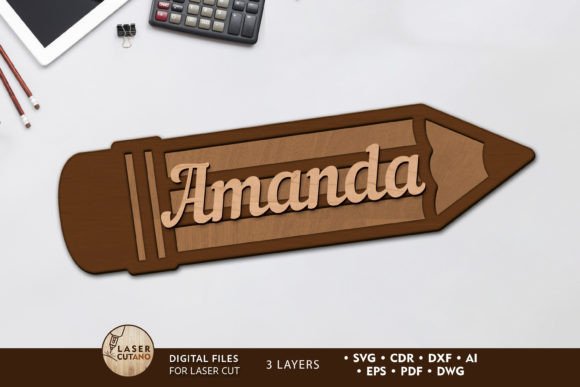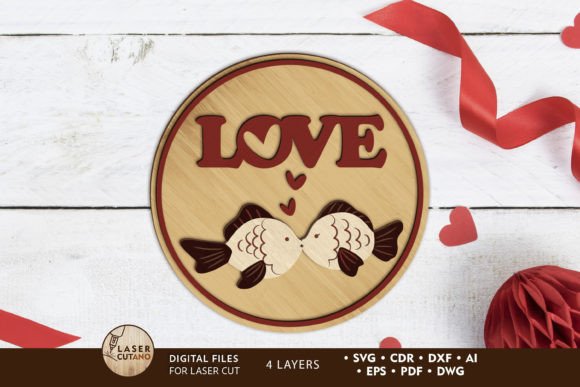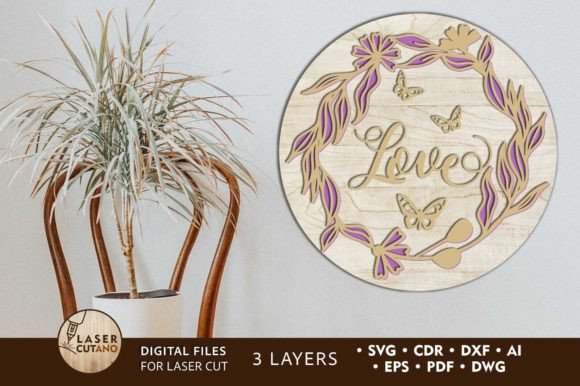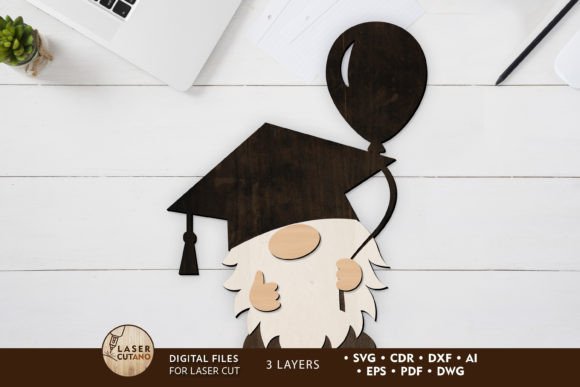
Coffee Shop Laser Cut Decor Guide
Walking into a coffee shop is rarely just about the caffeine. It is an sensory experience defined by the aroma of roasted beans, the hum of conversation, and, crucially, the visual atmosphere. In an era where every corner of a business is potentially "Instagrammable," the physical environment plays a pivotal role in customer retention and brand perception. This is where Coffee Shop Laser Cut Decor transforms from a simple design asset into a strategic tool for hospitality branding. By leveraging precision-cut designs, cafe owners and interior designers can introduce layers of texture, light, and shadow that flat printed materials simply cannot achieve.
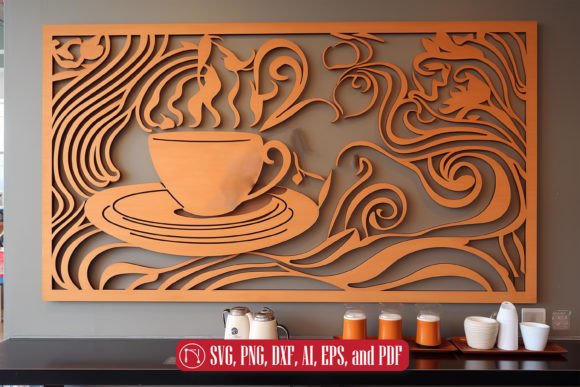
The appeal of laser-cut elements lies in their tactile nature. Unlike a vinyl sticker or a painted sign, laser-cut decor interacts with light. When backlit or placed against a contrasting wall, these intricate patterns cast dynamic shadows that change throughout the day as natural light shifts. This creates a living, breathing aesthetic that feels organic and warm. Whether it is a delicate filigree pattern on a room divider, a bold geometric logo mounted on reclaimed wood, or subtle menu holders with etched details, the goal is to create a space that invites patrons to linger. The versatility of these designs allows them to fit seamlessly into various styles, from rustic industrial lofts to minimalist modern cafes.
The Strategic Value of Precision Design Assets
For designers and small business owners, the quality of the source file is just as important as the final physical product. Working with Coffee Shop Laser Cut Decor requires a deep understanding of vector graphics and machine compatibility. The collection typically includes SVG, PNG, DXF, AI, EPS, and PDF formats, each serving a distinct purpose in the workflow. Understanding when to use which format can save hours of troubleshooting and ensure a flawless final cut.
The DXF format is the industry standard for many laser cutting and CNC machines. It provides precise outlines without unnecessary data, ensuring that the machine follows the exact path intended by the designer. This is critical for maintaining the integrity of fine details, such as thin bridges in a script font or complex mandala patterns. On the other hand, SVG files offer scalability without loss of quality, making them ideal for digital mockups or resizing designs for different applications before sending them to production. Meanwhile, PNG files serve as excellent references for visual layout planning, allowing designers to overlay the cutout design onto photos of the intended space to gauge scale and impact.
Beyond technical compatibility, these assets support a broader brand identity. Consistency in visual elements reinforces recognition. If a cafe uses a specific laser-cut motif on its window signage, repeating that same pattern on coasters, menu covers, or even employee aprons creates a cohesive narrative. This level of detail signals professionalism and care, subtly communicating to customers that the business values quality in every aspect of its operation. It moves the brand beyond a mere transactional relationship into an experiential one.
Applications Across Creative and Commercial Projects
The utility of laser-cut designs extends far beyond wall art. For entrepreneurs and marketers, these assets are versatile tools that can be applied across multiple touchpoints. In packaging design, laser-cut sleeves for coffee bags or cup carriers add a premium feel that distinguishes a product on crowded shelves. The interplay of material and cutout design can highlight the product inside while protecting it, merging functionality with high-end aesthetics.
In editorial design and print media, the visual language established by laser-cut decor can be mirrored in printed menus, brochures, and loyalty cards. Using similar geometric or organic shapes in two-dimensional print helps bridge the gap between the physical space and the take-home materials. For web design and social media graphics, high-resolution PNGs derived from these vector files can be used as background textures or framing elements, ensuring that the digital presence aligns perfectly with the brick-and-mortar reality.
Consider the impact on logo design. A logo that looks good on a screen must also function when cut from wood, metal, or acrylic. Laser-cut compatible logos often require simplified lines and adequate spacing to prevent material breakage. By starting with a design optimized for laser cutting, businesses ensure their logo is versatile enough for signage, merchandise, and architectural features. This approach avoids the common pitfall of having to redesign a logo later because it was too complex for physical fabrication.
- Interior Partitions: Use large-scale patterns to create semi-private seating areas without blocking light flow.
- Lighting Fixtures: Wrap laser-cut sheets around pendant lights to cast intricate shadow patterns on tables.
- Menu Boards: Combine chalkboard paint with laser-cut frames for a rustic yet polished look.
- Merchandise: Apply designs to wooden coasters, keychains, or tote bags for retail revenue streams.
Practical Guidance for Implementation and Selection
Choosing the right design involves more than just picking a pretty pattern. It requires evaluating the project fit, material constraints, and maintenance requirements. When selecting Coffee Shop Laser Cut Decor, consider the material you intend to use. Wood offers warmth and absorbs sound, making it ideal for cozy corners, while metal provides a sleek, modern edge that is durable and easy to clean. Acrylic allows for colorful, translucent effects that work beautifully with LED backlighting.
Readability and visual hierarchy are paramount, especially when text is involved. If incorporating a script font or handwritten font into a cutout, ensure the strokes are thick enough to hold together during the cutting process and subsequent handling. Delicate serifs can easily snap off if the material is brittle or if the design is scaled down too far. Testing small prototypes is a crucial step before committing to large-scale production. This allows you to assess how the design holds up structurally and visually in the actual lighting conditions of the space.
Font pairing and style consistency also play a role. If the laser-cut decor features ornate, Victorian-inspired flourishes, pairing it with ultra-modern, sterile furniture might create a jarring disconnect unless intentionally designed for contrast. Conversely, clean, geometric cuts complement sans serif font typography and minimalist interiors. The goal is harmony. Designers should review the included styles in the asset pack to ensure they have the flexibility to adapt the core motif to different sizes and contexts.
Finally, always verify commercial licensing. While many design assets are available for personal use, commercial projects require proper clearance. Using licensed premium font and design assets ensures legal safety and supports the creators who develop these tools. For small business owners, this due diligence is part of building a sustainable and professional brand. By investing in high-quality, properly licensed design assets, you protect your business and elevate the perceived value of your space.
Ultimately, the integration of laser-cut decor is about enhancing the human experience within a commercial space. It adds depth, character, and a sense of craftsmanship that resonates with customers. By carefully selecting formats, understanding material properties, and applying designs thoughtfully across various mediums, cafe owners can create an ambiance that is not only visually striking but also emotionally engaging. The result is a space where people want to stay, connect, and return, driven by an environment that feels both curated and welcoming.