Mastering Digital Design for Wooden Wall Art Laser Cut Svg Projects
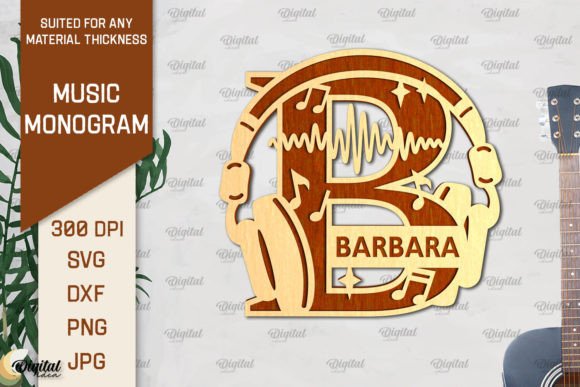
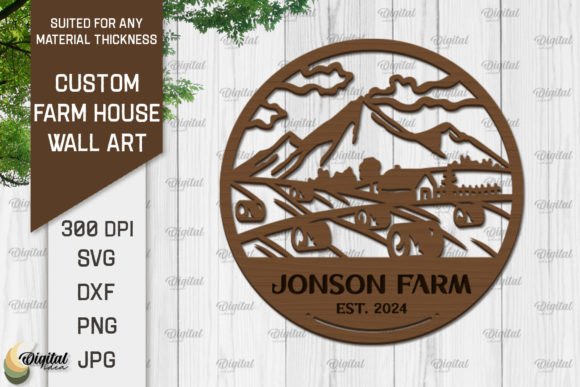
The intersection of traditional craftsmanship and modern digital fabrication has created a vibrant market for home decor, specifically within the realm of laser-cut wood. For designers, hobbyists, and small business owners, understanding the technical nuances of file preparation is just as critical as the artistic vision itself. The demand for Wooden Wall Art Laser Cut Svg files has surged because these digital assets bridge the gap between concept and physical reality. Whether you are creating intricate mandalas, personalized family name signs, or complex geometric patterns, the quality of your source file determines the success of the final product.
This guide explores the essential components of preparing and utilizing vector files for laser cutting, focusing on the practical applications of formats like SVG, DXF, and EPS. By understanding how these files interact with various software ecosystems, creators can minimize material waste, reduce machine errors, and produce professional-grade wooden art pieces.
The Critical Role of Vector Formats in Laser Cutting
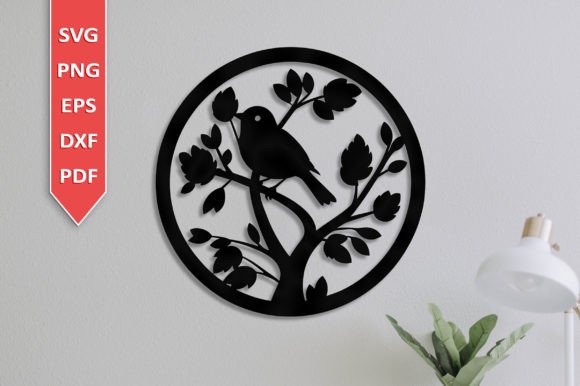
Unlike raster images such as standard JPEGs or PNGs, which are composed of pixels, vector files are built on mathematical paths. This distinction is fundamental when working with laser cutters. A laser machine follows precise coordinates to cut or engrave material. If a design is pixel-based, the machine may struggle to interpret smooth curves, resulting in jagged edges or inefficient cutting paths. Therefore, using a proper Wooden Wall Art Laser Cut Svg ensures that every curve and angle is defined with absolute precision, regardless of the scale at which the design is printed or cut.
Vector formats also allow for non-destructive editing. A designer can resize a complex wall art piece from a small coaster to a large living room feature without any loss in quality. This scalability is vital for professionals who need to adapt designs for different client requirements or material sizes. Furthermore, vector files separate layers effectively, allowing users to distinguish between cut lines and engrave areas, a feature that is indispensable for multi-depth wooden art projects.
Navigating the File Ecosystem: SVG, DXF, EPS, and More
When acquiring or creating digital assets for laser cutting, you will encounter a variety of file extensions. Each serves a specific purpose within the workflow of digital fabrication. Understanding which format to use for which software can streamline your production process significantly.
- SVG (Scalable Vector Graphics): This is arguably the most versatile format for modern makers. SVG files are widely supported by browser-based design tools and popular consumer-level laser software. They are lightweight and retain high quality, making them ideal for Wooden Wall Art Laser Cut Svg projects that require clean lines and easy integration into web-based platforms.
- DXF (Drawing Exchange Format): Originally developed for AutoCAD, DXF files are the industry standard for compatibility with industrial CAD software. If you are using professional-grade laser cutters or CNC machines that rely on Autodesk applications, DXF is often the preferred choice. It handles complex geometric data robustly and is less prone to interpretation errors in engineering-focused environments.
- EPS (Encapsulated PostScript): EPS files are a staple in the graphic design world, particularly for users of Adobe Illustrator. They are excellent for maintaining color information and layered structures, which can be useful if the wooden art involves subsequent painting or staining guides.
- DWG: Similar to DXF, DWG is a native format for AutoCAD. It is primarily used by architects and engineers but is increasingly relevant for designers who use CAD tools to create intricate wooden structures that require precise measurements and tolerances.
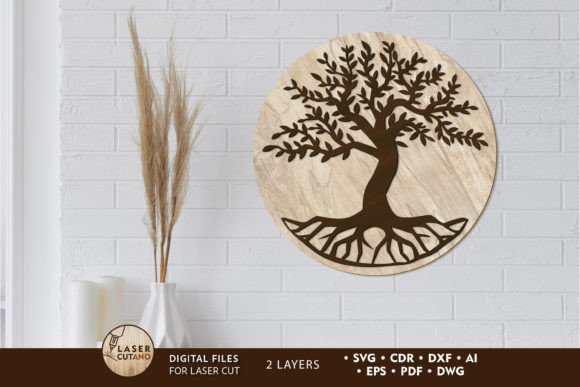
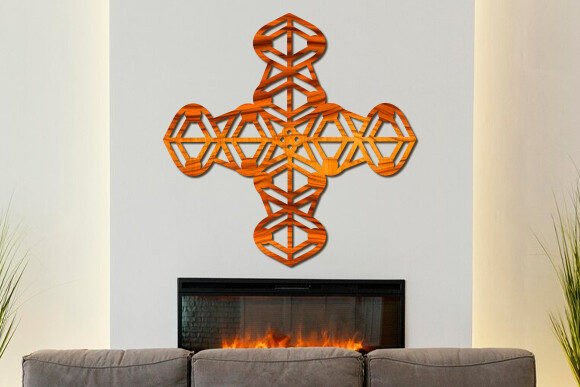
- PNG and JPG: While not suitable for the actual cutting path due to their raster nature, high-resolution PNG and JPG files are invaluable for previewing designs, creating marketing materials, or using as reference images for manual tracing if necessary. They provide a visual representation of what the final Wooden Wall Art Laser Cut Svg will look like when assembled.
Optimizing Designs for Material and Machine Constraints
Having the right file is only half the battle; the design must also be optimized for the physical properties of wood and the capabilities of the laser cutter. Wood is a natural material with grain, density variations, and thickness constraints. A design that looks perfect on screen may fail in production if it does not account for these factors.
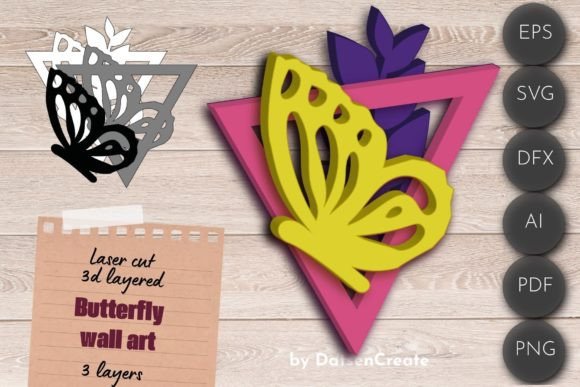
One common issue in laser cutting is the "kerf," or the width of material removed by the laser beam. In intricate Wooden Wall Art Laser Cut Svg designs, failing to account for kerf can result in pieces that do not fit together correctly, especially in interlocking 3D assemblies. Designers must adjust their vector paths slightly to compensate for this material loss. Additionally, thin bridges of wood can burn away or break during the cutting process. Ensuring that all elements of the design have sufficient structural integrity is crucial for durability.
Another consideration is the complexity of the design versus the cutting time. Highly detailed vectors with thousands of nodes can slow down the laser head, increasing production time and the risk of charring the wood. Simplifying paths where possible, while maintaining aesthetic appeal, can lead to cleaner cuts and faster turnaround times. This balance between artistic detail and manufacturing efficiency is a key skill for successful creators.
Applications Across Industries and Hobbies
The versatility of laser-cut wooden art extends far beyond simple home decor. Professionals in various fields utilize these digital files to create functional and aesthetic products. Interior designers use large-scale Wooden Wall Art Laser Cut Svg patterns to create accent walls that add texture and warmth to commercial spaces. Event planners incorporate personalized wooden signs for weddings and corporate events, leveraging the ease of customizing vector files to include names, dates, and logos.
Educators also find value in these tools. Teaching students about geometry, symmetry, and design principles becomes tangible when they can see their digital creations transformed into physical objects. Hobbyists enjoy the therapeutic process of assembling layered wooden art, often using pre-made SVG files as a starting point for their own creative modifications. The accessibility of AI-generated vector files has further lowered the barrier to entry, allowing individuals with limited drawing skills to produce professional-looking designs.
Workflow Integration for Creators and Businesses
For small business owners, integrating high-quality digital files into their workflow can significantly enhance productivity. Starting with a comprehensive package that includes AI, EPS, SVG, DXF, and DWG files ensures compatibility with whatever software the creator prefers. This flexibility allows businesses to scale their operations without being locked into a single software ecosystem.
A typical workflow might begin with selecting a Wooden Wall Art Laser Cut Svg from a digital marketplace. The designer then opens the file in their preferred vector editing software to make any necessary adjustments, such as resizing or modifying specific elements. Next, the file is imported into the laser cutter’s control software, where power and speed settings are calibrated based on the type of wood being used. After cutting, the pieces are sanded, assembled, and finished. Having access to multiple file formats ensures that this process remains smooth, regardless of technical hiccups or software updates.
Moreover, the ability to use these files in CAD and Autodesk applications opens up opportunities for more complex engineering projects. Architects and product designers can incorporate laser-cut wooden elements into larger structures, using precise DXF or DWG files to ensure seamless integration with other building materials. This cross-disciplinary application highlights the importance of having versatile digital assets.
Ensuring Quality and Longevity in Final Products
The ultimate goal of using high-quality vector files is to produce a durable and visually appealing final product. The precision of a Wooden Wall Art Laser Cut Svg directly impacts the ease of assembly and the overall finish. Clean cuts require less sanding and post-processing, saving time and preserving the natural beauty of the wood. Additionally, well-optimized files reduce the likelihood of errors that can lead to material waste, which is both cost-effective and environmentally responsible.
Creators should also consider the finish applied to the wood. Laser cutting can leave slight char marks on the edges, which some designers embrace for a rustic look, while others prefer to sand them away for a cleaner appearance. The choice of wood species also plays a role; hardwoods like maple and walnut offer different cutting characteristics compared to softer woods like pine or plywood. Understanding these material interactions, combined with precise digital files, allows for consistent high-quality output.
In conclusion, the world of laser-cut wooden art is driven by the synergy between creative design and technical precision. By leveraging the right file formats and understanding the nuances of laser cutting, creators can unlock endless possibilities for expression and commerce. Whether you are a seasoned professional or a curious beginner, mastering the use of Wooden Wall Art Laser Cut Svg files is a foundational step toward achieving excellence in digital fabrication.