Designing a Custom Dancer Award Medal Holder and Display
In the world of competitive dance, recognition extends far beyond the moment a winner is announced. For athletes, instructors, and studio owners, the tangible representation of achievement holds significant emotional and professional value. A Dancer Award Medal Holder serves not merely as storage, but as a curated display of dedication, discipline, and success. While mass-produced plastic racks are common, there is a growing demand for bespoke, aesthetically pleasing solutions that reflect the elegance of the art form itself. This is where digital fabrication meets creative design.
Utilizing vector-based designs for laser cutting offers a practical, scalable, and highly customizable approach to creating these displays. By leveraging archived digital files in formats such as CDR, AI, DXF, and SVG, creators can produce high-quality wooden medal holders that are both economical and visually striking. This article explores the practical advantages of this approach, the technical considerations for production, and the specific value it offers to professionals and hobbyists alike.
The Shift Toward Custom Fabrication
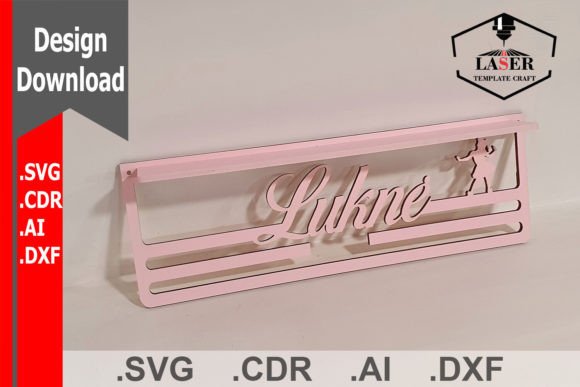
Traditional retail options for medal displays often lack character. They are typically uniform, made from inexpensive materials, and fail to capture the unique identity of a dancer or a dance studio. In contrast, a custom-made Medal Display allows for personalization that resonates with the recipient. Whether it involves incorporating specific dance motifs, initials, or studio branding, the ability to modify the design layout is a critical advantage.
The availability of pre-archived vector files simplifies this process significantly. Instead of starting from scratch, users can download a foundational design, adjust the dimensions or decorative elements to suit their requirements, and proceed directly to production. This workflow reduces the barrier to entry for small business owners and freelance creators who wish to offer premium products without investing heavily in original graphic design services for every unit.
Material Selection and Structural Integrity
The choice of material plays a pivotal role in the final quality of the product. For laser-cut projects, plywood and solid wood are the primary candidates. Among these, 6mm plywood is frequently recommended for several reasons. First, it offers an optimal balance between structural rigidity and ease of cutting. Thinner materials may warp or lack the durability needed to hold multiple heavy medals, while thicker woods can require more powerful lasers and longer processing times.
Plywood also provides a consistent surface for finishing. Its layered structure minimizes the risk of splitting during assembly, ensuring that the joints remain secure over time. For those aiming for a rustic or natural aesthetic, unfinished plywood offers a warm, organic look. Alternatively, the surface accepts paint, stain, and varnish exceptionally well, allowing for complete customization. This flexibility means that a single design file can yield products in vastly different styles, from minimalist natural wood to vibrant, color-coordinated pieces that match a studio’s decor.
Efficiency in Production and Scalability
One of the most compelling aspects of using digital vector files for this project is the efficiency it brings to production. The files are scalable to any size, meaning that the same design can be adapted for a small, personal keepsake or a large, wall-mounted showcase for a studio lobby. This scalability is essential for businesses looking to diversify their product offerings without managing multiple complex design assets.
For entrepreneurs and small manufacturing units, the economic viability of this project is notable. The material cost for a single unit is relatively low, especially when purchasing plywood in bulk. Furthermore, the assembly process is straightforward, often requiring only wood glue and minimal clamping time. This simplicity makes the project suitable for mass production. A small workshop can produce dozens of units in a day, making it an ideal product line for Etsy sellers, craft fair vendors, or dance supply retailers.
The digital nature of the files also ensures consistency. Every cut is precise, and every hole aligns perfectly, reducing waste caused by human error. This reliability is crucial when fulfilling orders for clients who expect a professional finish. The use of standard formats like DXF and SVG ensures compatibility with a wide range of laser cutting machines, from industrial-grade CO2 lasers to desktop diode models, broadening the accessibility of the production process.
Customization and Artistic Freedom
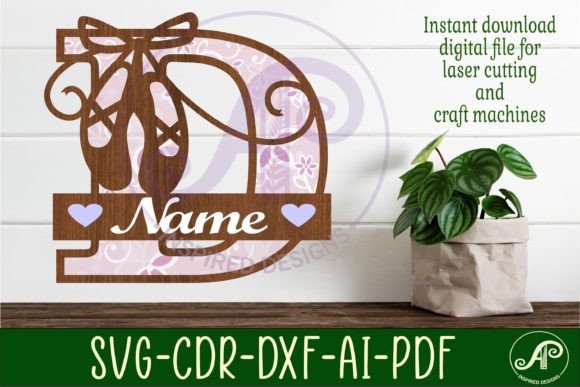
While the base structure of a Dancer Award Medal Holder may be standardized, the potential for artistic expression is vast. After cutting, the pieces can be painted in any color or decorated with additional elements. This post-processing stage is where the product truly comes to life. Creators can use acrylic paints to add gradients, metallic finishes to mimic gold or silver, or even hand-painted details that highlight specific dance styles such as ballet, hip-hop, or contemporary.
Moreover, the design files can be modified to include personalized text. Adding a dancer’s name, the year of achievement, or a motivational quote transforms a generic holder into a cherished heirloom. This level of customization increases the perceived value of the product, allowing sellers to command higher price points. For educators and studio owners, creating branded displays reinforces community identity and pride among students.
Practical Considerations for Users
Before embarking on this project, it is important to consider the end-user’s needs. A medal holder must be functional as well as beautiful. The spacing between hooks or slots should accommodate various medal sizes and ribbon thicknesses. Additionally, the mounting mechanism must be robust enough to support the weight of a growing collection. Metal medals, while individually light, can accumulate significant weight over time. Ensuring that the design includes adequate support structures or wall anchors is a critical step in the planning phase.
Another consideration is the finish. Unsealed wood can absorb moisture and dust, potentially leading to discoloration or degradation over time. Applying a clear sealant or varnish not only protects the wood but also enhances its grain, adding to the visual appeal. For painted pieces, a topcoat of polyurethane can prevent chipping and scratching, ensuring the display remains pristine for years.
Who Benefits Most from This Approach?
This production model appeals to a diverse audience. Small business owners and entrepreneurs can leverage these files to create a new revenue stream with minimal upfront investment. Dance instructors and studio directors can use them to create unique awards for recitals and competitions, enhancing the prestige of their events. Hobbyists with access to laser cutters can create personalized gifts for friends and family, offering a thoughtful alternative to store-bought items.
Additionally, marketers and brand strategists within the dance industry can utilize these customizable displays as promotional tools. Branded medal holders serve as long-term advertisements for studios, as they are displayed prominently in homes and shared on social media. The visual appeal of a well-crafted wooden display encourages organic sharing, extending the reach of the brand.
Limitations and Quality Control
While the benefits are substantial, there are limitations to acknowledge. Laser cutting requires precision equipment and technical knowledge. Operators must understand power settings, speed, and focus to achieve clean cuts without excessive charring. Poorly calibrated machines can result in rough edges or incomplete cuts, necessitating additional sanding and finishing work. Therefore, maintaining consistent quality control is essential for professional results.
Furthermore, while the files are editable, users must have basic proficiency in vector graphics software such as Adobe Illustrator or CorelDRAW. Those unfamiliar with these tools may need to invest time in learning the basics or collaborate with a designer to make significant modifications. However, for minor adjustments, many user-friendly platforms now support SVG editing, lowering this barrier.
Long-Term Value and Sustainability
From a sustainability perspective, wood and plywood are renewable resources, especially when sourced from responsibly managed forests. Unlike plastic alternatives, wooden displays are biodegradable and have a lower environmental impact at the end of their lifecycle. This aligns with the values of many modern consumers who prioritize eco-friendly products.
The longevity of a wooden Medal Display also contributes to its value. With proper care, these pieces can last for decades, preserving memories and achievements across generations. This durability contrasts sharply with cheaper plastic counterparts, which often break or degrade quickly. For the buyer, this represents a better long-term investment, while for the creator, it builds a reputation for quality and craftsmanship.
In conclusion, the creation of a Dancer Award Medal Holder using laser-cut vector files represents a convergence of technology, artistry, and practicality. It offers a viable path for creators to produce high-quality, customizable products that meet the specific needs of the dance community. By focusing on material quality, efficient production methods, and thoughtful design, professionals and hobbyists can deliver items that are not only functional but also deeply meaningful to their recipients.